10 Things to Consider when Buying a inflatable RIB
Published:
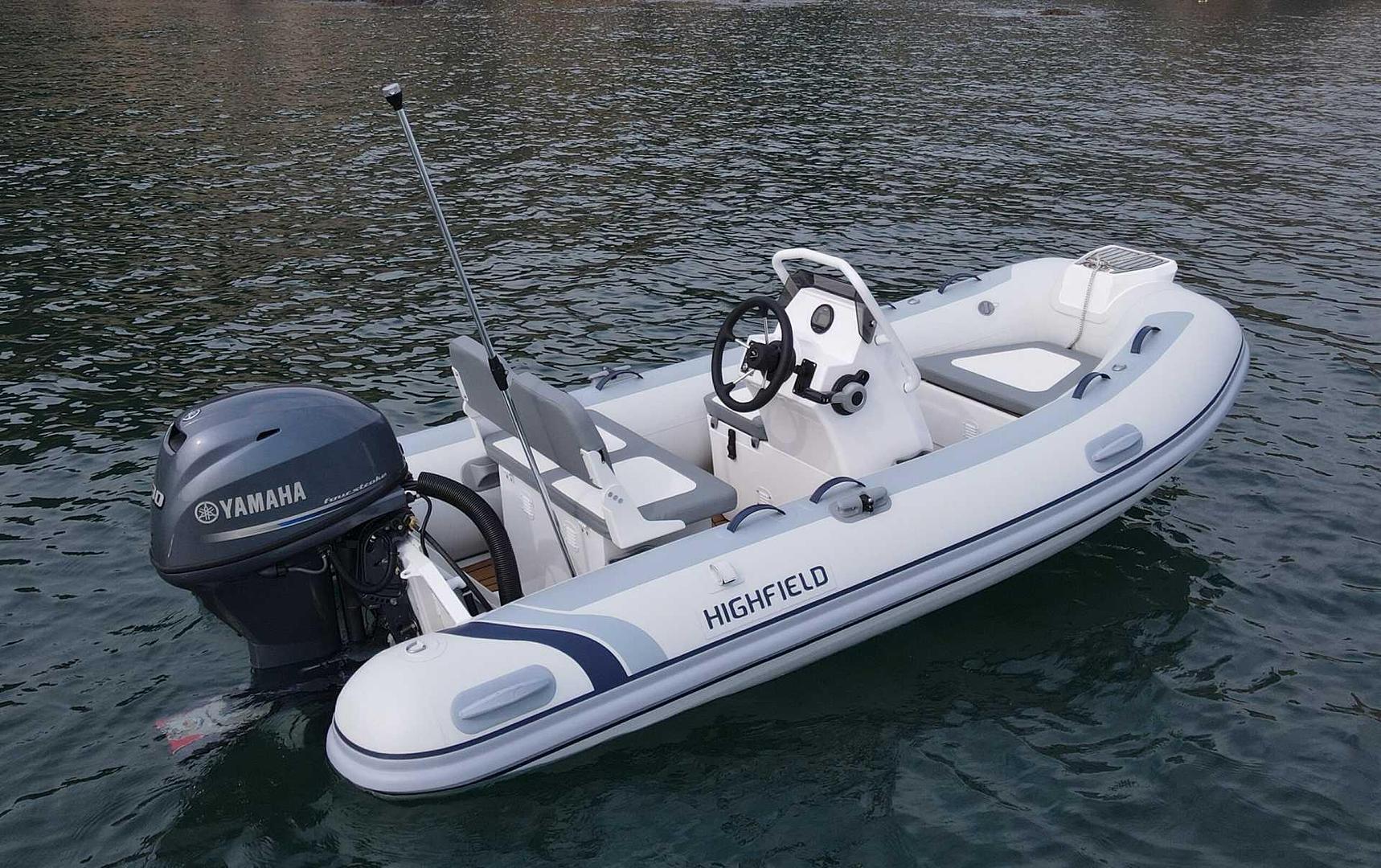
Top 10 Considerations When Buying a New Inflatable RIB (and Why Highfield Stands Out)
Buying a new inflatable RIB (rigid inflatable boat) is one of the most practical upgrades a boater can make—whether you need a reliable yacht tender, a family day boat, a safety craft, or a capable runabout for coastal exploring. A well-chosen RIB delivers stability, shallow-water access, efficient performance, and a reassuring ride in choppy conditions.
Still, not all inflatable RIBs are built the same. Below are the top 10 considerations to guide a confident purchase, along with the key benefits that make Highfield RIBs a compelling option for many buyers.
1) Define Your Primary Use Case
Start with how you’ll use the boat most often. A RIB chosen as a yacht tender will prioritize compact storage, davit lifting points, and simple boarding. A family RIB for weekend cruising may need more seating, a sunpad, and higher freeboard. Watersports-focused owners will care about deck layout, tow points, and horsepower capacity.
Highfield benefit: Highfield’s line-up is broad, with models commonly used for tender duty, recreation, and commercial applications—helpful if you want a brand with options that scale as your needs grow.
2) Pick the Right Size and Layout
Length drives capacity, comfort, and performance. Think beyond “how many seats” and consider real-world space: coolers, strollers, dive gear, beach bags, or fishing equipment. Console placement, bow lockers, and aft seating can make a smaller boat feel far more usable.
Tip: Sit in the boat (or a similar layout) and imagine a typical day—boarding, moving around, storing gear, and handling lines.
3) Hull Material: Aluminum vs. Fiberglass
Most RIBs are built with either fiberglass or aluminum hulls. Fiberglass is common and can offer a smooth finish, while aluminum is valued for toughness and practicality—especially for beach landings and frequent launching.
Highfield benefit: Highfield is widely recognized for aluminum-hull RIBs, which many owners appreciate for:
- Durability when launching, retrieving, or nudging up to shore
- Confidence in environments where impacts and abrasion are more likely
- Practical ownership for families, charter operators, and frequent boaters
4) Tube Fabric and Build Quality (PVC vs. Hypalon)
The inflatable tube is central to a RIB’s stability and safety. Two common materials are PVC (often more budget-friendly) and Hypalon/CSM (often favored in hotter climates and for long-term exposure due to its reputation for UV and chemical resistance, depending on specification and care).
Ask about fabric weight, seam method, reinforcing, rub strakes, and valve quality. Also consider your storage: inside, under cover, or exposed year-round.
Highfield benefit: Many Highfield configurations are available with different tube materials depending on model and market, letting buyers match the build to climate and usage intensity.
5) Weight, Towing, and Lifting Requirements
Don’t overlook logistics. Will you trailer the RIB? Lift it onto a yacht with davits? Launch it alone at the ramp? Total package weight includes the hull, engine, fuel, battery, and gear.
Highfield benefit: An aluminum hull can be an advantage for owners who prioritize manageable weight and practical handling, especially when paired with an appropriately sized outboard.
6) Outboard Selection: Power, Shaft Length, and Efficiency
Choosing the right outboard is about more than top speed. Consider typical load, sea conditions, and the kind of ride you prefer (cruising comfort vs. quick plane). Confirm the correct shaft length and ensure the transom is designed for your intended engine size.
Also evaluate fuel tank capacity and placement—under-deck tanks can improve balance and free deck space, depending on design.
7) Ride Quality and Hull Design
A RIB’s deep-V profile, deadrise, strakes, and overall hull geometry influence how it tracks, turns, and softens chop. If possible, do a sea trial with a realistic load. Pay attention to:
- Dryness (spray control)
- Stability at rest and at low speeds
- Noise and vibration
- Planing behavior with passengers aboard
Highfield benefit: Highfield’s reputation in the RIB category is closely tied to a solid, confidence-inspiring feel that suits both leisure and demanding use.
8) Safety Features and Practical Details
Look for thoughtful safety and usability elements: non-skid decking, well-placed grab handles, strong towing eyes, accessible bilge areas, and quality hardware. If you operate in rougher conditions, prioritize higher internal freeboard and secure seating/handholds.
Highfield benefit: Buyers often choose Highfield when they want a robust, purpose-built setup that feels ready for real boating rather than just calm-water cruising.
9) Fit, Finish, and Corrosion Resistance
A RIB lives in a harsh environment—sun, salt, sand, and abrasion. Inspect the quality of upholstery, hinges, latches, console finish, and wiring access. Ask what’s stainless, what’s coated, and how water drains off the deck.
Highfield benefit: Highfield’s aluminum construction and protective finishing approach are commonly valued by owners who boat in saltwater and want low-fuss longevity with sensible upkeep.
10) Dealer Support, Parts Availability, and Resale Value
A great RIB purchase includes after-sales support. Choose a reputable dealer who can advise on engine pairing, rigging, electronics, and service. Ask about parts lead times and local expertise. Finally, consider brand reputation and resale demand—especially if you upgrade boats every few years.
Highfield benefit: Highfield is a well-established name in the inflatable RIB market, and brand recognition can support buyer confidence today and stronger resale interest later, depending on model, condition, and regional demand.
Why Many Buyers Put Highfield on the Shortlist
When you combine practical hull durability, a strong product range, and a design philosophy geared toward real-world use, it’s easy to see why Highfield is frequently considered by both recreational owners and professional users. If your priorities include toughness for beach landings, confidence in variable conditions, and ownership practicality, a Highfield inflatable RIB is worth a close look.
Next Step: Make Your Shortlist and Sea Trial
Once you’ve narrowed down size and intended use, compare two or three models side-by-side, then schedule a sea trial. Bring the people and gear you’ll actually carry, run the boat at multiple speeds, and evaluate comfort, stability, and handling.
If you’d like, share your intended use (tender, family cruising, fishing, watersports), your target length range, and where you boat (saltwater/freshwater, climate, typical chop). With that information, it’s straightforward to narrow the ideal RIB setup and identify the right Highfield model configuration to match.